
Passion Is Not a Business Model: The Shift That Saved My Practice
Keonie Moore on naturopath business burnout: the night she locked the clinic door in tears, why passion is not a business model, and the shift that saved her practice.
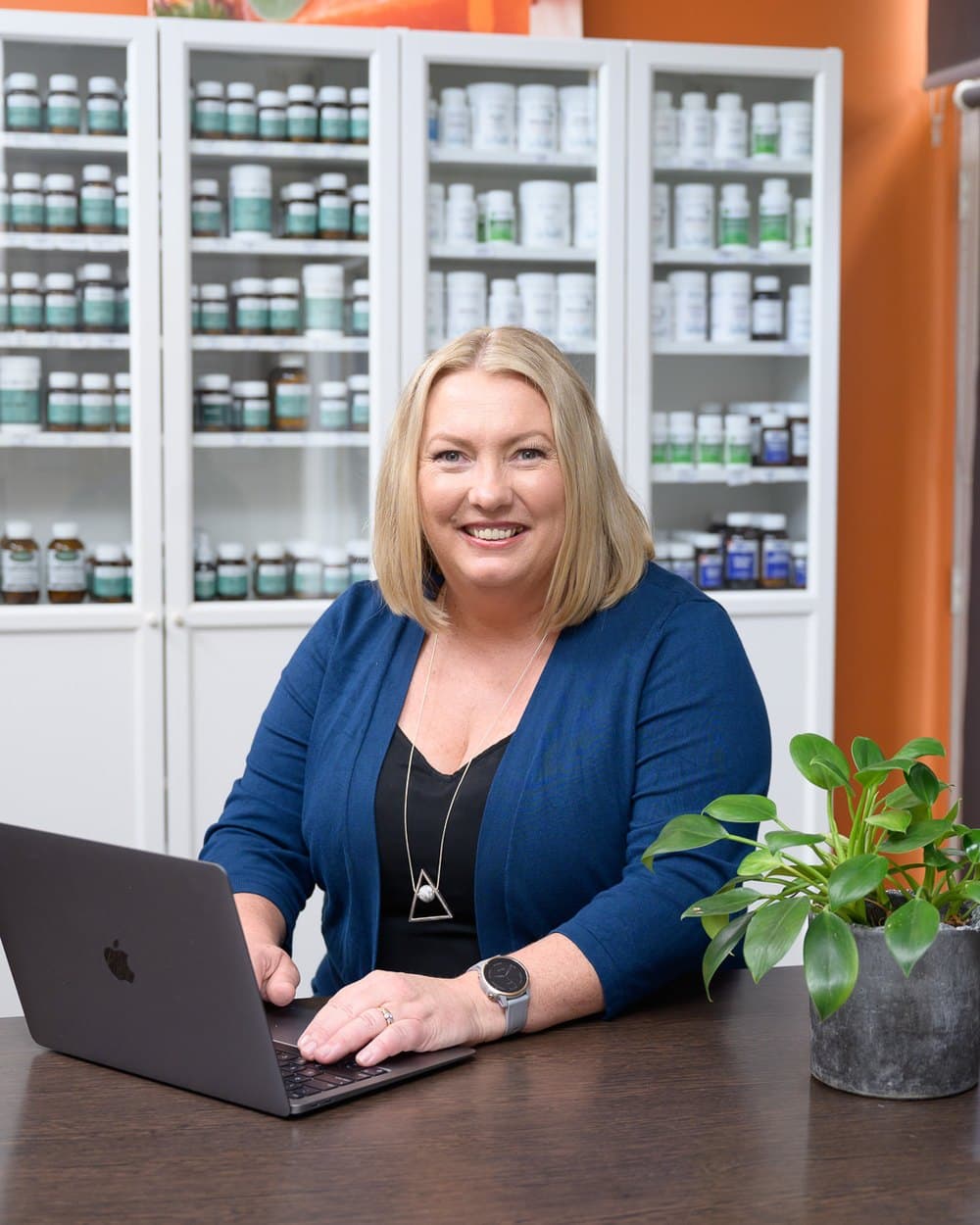
Naturopath business burnout is not caused by a lack of passion. It is caused by treating passion as if it were a business model. I learned that the hard way in 2010, the night I locked my clinic door in tears, my third late night that week, my appointment book full and my bank account empty.
Key takeaways
- Passion is not a business model, and burnout does not serve patients.
- Income is the currency of impact: when your income is not healthy, your impact cannot be sustainable.
- Being busy is not the same as being profitable, and the difference is what quietly burns practitioners out.
- The shift that saved my practice was structural, not motivational: I changed how the business was built, not how hard I worried about it.
The night the door locked behind me
By 2010 I had everything I thought I wanted. I had started as a solo practitioner in 2007, renting a single room. In 2009 I launched ReMed and opened my own clinic. The diary was full. Patients were getting well. From the outside, it looked like success.
Inside, I was drowning.
I was the practitioner, the receptionist, the bookkeeper, the marketer, the cleaner and the person lying awake at 2am wondering how I was going to pay everyone but myself. That night, the third late night in a single week, I turned the key in the clinic door and cried. Not because I had failed at naturopathy. I was a good clinician. I cried because I was busy and broke at the same time, and I could not understand how both could be true.
That contradiction is the heart of naturopath business burnout, and almost nobody names it honestly. We are taught that if we just care enough, work hard enough and help enough people, the rest will follow. It will not. I had built a clinic on passion alone, and passion alone is a treadmill, not a foundation. If you want to understand the mindset that got me out of that room, the story behind Make a Difference Academy starts on exactly that night.
Why passion is not a business model
Passion is essential. It is what gets you into this profession and what keeps you at the table when a complex case will not resolve. But passion measures how much you care. A business model measures how the work sustains itself. They are two different instruments, and most practitioners only ever learn to read the first one.
Here is what passion cannot do for you. It cannot set your prices. It cannot decide which services to offer and which to retire. It cannot tell you whether your week is profitable or merely full. It cannot protect your evenings, your health or your family. When passion is your only model, every problem looks like a reason to work harder, and working harder is the precise mechanism that produces burnout.
The practitioners I work with recognise this instantly. The inconsistent bookings. The unpredictable income. The isolation of having nobody to ask for genuine business advice. The quiet uncertainty around what to charge. The hours poured into content that brings nothing back. They are not lazy and they are not under-skilled. They are running a business on the wrong instrument.
Passion is not a business model. And burnout doesn't serve patients.
That second sentence matters as much as the first. When you burn out, your patients lose access to you. The exhausted version of you cuts corners, books fewer follow-ups, and eventually closes the door for good. Protecting your business is not self-indulgence. It is clinical responsibility.
Income is the currency of impact
The shift that saved my practice was a single reframe that I now teach as a non-negotiable. Income is the currency of impact. If your income is not healthy, your impact cannot be sustainable.
Read that carefully, because it cuts both ways. Impact without income burns out. Income without impact is hollow. The future of health requires both, held together on purpose rather than left to chance.
I had spent years believing that focusing on money was somehow at odds with being a good naturopath, as if charging properly diluted the care. The opposite is true. The clinic that pays you well is the clinic that can keep its doors open, invest in better testing, take on harder cases and reach more people. Every patient I have helped in the years since 2010 exists because I finally let the business fund the mission instead of starving it.
Out of that night, and the years of trial and error that followed, I built the IMPACT formula the hard way, so other practitioners would not have to learn it through tears at a locked door. That formula and the structures around it are what I now teach inside the Practitioner Accelerator, where the focus is the same shift: stop running on passion alone and build a practice that sustains both the impact and the income.
The mindset shift, and what it is not
Let me be direct about what this is not, because the natural-health space is full of the wrong version of it. This is not hustle culture. It is not about working more, posting more or chasing every shiny marketing tactic. I am not a business coach who happens to talk to practitioners. I am a practitioner who built exceptional businesses, and I will only teach you what I have actually done.
The real shift has 3 parts.
- From busy to profitable. You stop measuring your success by how full your diary is and start measuring it by what each hour actually returns. A full week that does not pay you is not a successful week. It is a slow-motion warning.
- From soloing to structure. You stop carrying every role yourself. The reception, the systems, the pricing and the marketing become deliberate parts of a business, not invisible burdens added to your clinical load.
- From hoping to deciding. You stop hoping the income works out and start designing it on purpose, with pricing that reflects your value and offers that match the impact you want to have.
None of this asks you to care less about your patients. It asks you to build the kind of practice that lets you care for them for the next 20 years instead of the next 20 months. That is the whole difference between a calling that lasts and one that collapses.
If you are standing where I stood in 2010, busy and exhausted and quietly wondering how it can be this hard when you are doing everything right, the answer is not more effort. The answer is a different model. The pathway from struggling to thriving practitioner is the map I wish someone had handed me at that locked door.
The practice worth building
I do not romanticise that breaking point, but I am grateful for it. It forced me to stop confusing how much I cared with how well I had built. Passion got me into this profession. Structure is what let me stay, grow ReMed into one of Australia's largest naturopath and nutritionist clinics, pivot to telehealth, and eventually open this academy to put the same tools in your hands.
No theory. No fluff. The shift that saved my practice is the same one available to you: stop treating passion as a business model, protect your income so it can fund your impact, and build a practice that serves your patients precisely because it also serves you.